How Investors Are Finding the Best Pre-Seed Startups Before Everyone Else
Angels and micro-VCs are sourcing pre-seed deals upstream of public raise listings. Here is the workflow, the signals worth watching, and how it fits US platforms and UK SEIS and EIS.
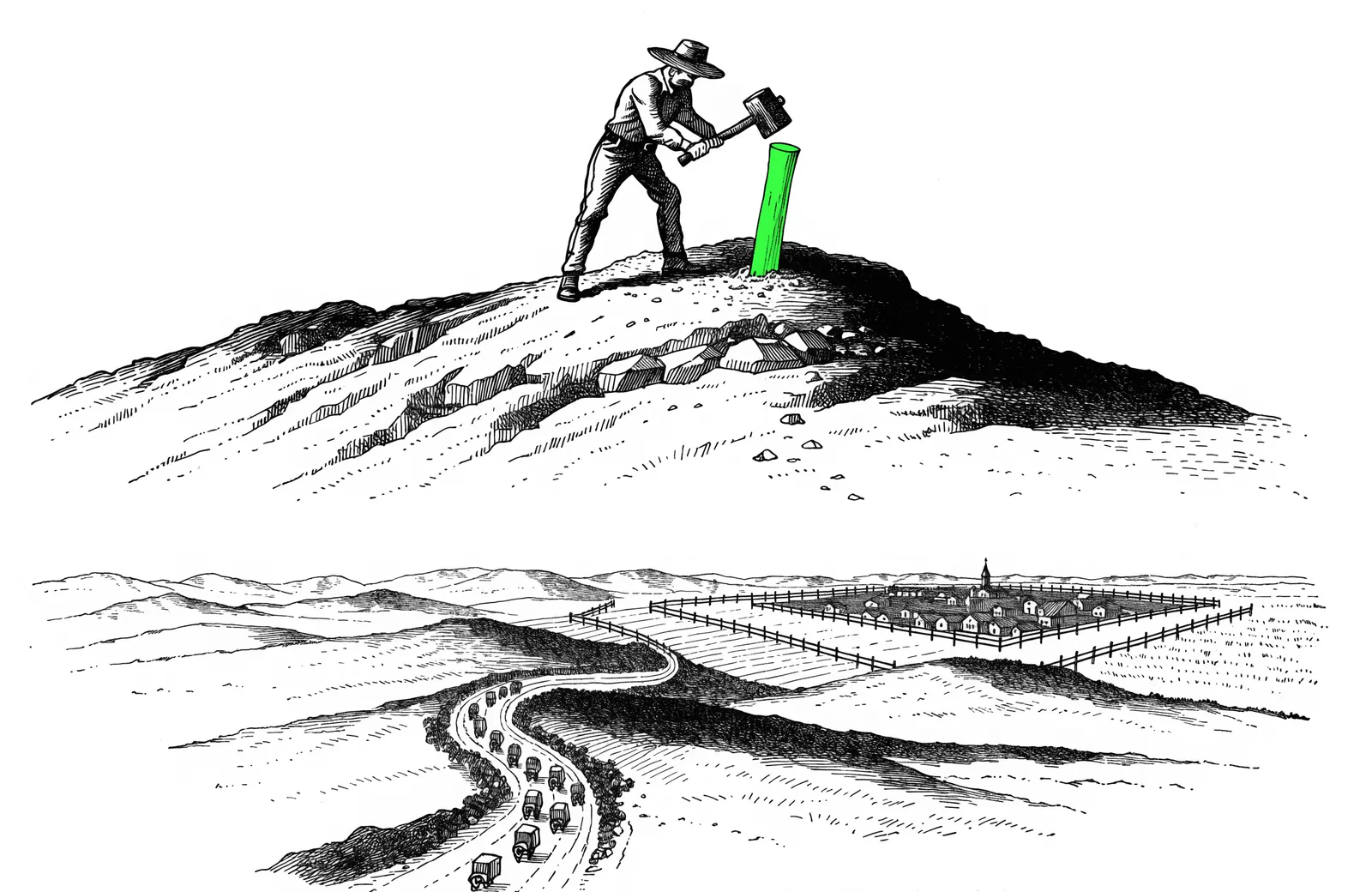
The window to find the best startups to invest in before institutional capital arrives keeps getting shorter, yet a minority of angels and micro-VCs consistently get there first. Their edge is not exclusive networks or better intuition. It is a structured sourcing routine built around pre-launch discovery, which surfaces founder-led deals weeks or months before they reach a deal board.
This piece maps that routine. It covers how the split between Reg CF and Reg D platforms shapes sourcing in the US, a step-by-step discovery workflow, which signals make a pre-seed startup worth watching, how to build a stack that fits your investor profile, and how the same approach works for UK angels using SEIS and EIS.
The Structural Shift in Early-Stage Deal Sourcing
Early-stage investing has reorganised around a simple fact: by the time a company appears on a public deal board, the earliest-entry window has usually closed. Public listings have become a lagging indicator of where good founders are, not a leading one.
Regulation Crowdfunding platforms such as Wefunder and Republic do a real job in deal execution, and Reg D platforms serve accredited investors well at the allocation stage. Neither was designed to solve the sourcing problem. Both sit downstream of a decision the founder has already made: to raise formally.
That is why off-market deal flow has become a deliberate goal for many angels and micro-VCs rather than a by-product of being well connected. Founders who are building waitlists and early products can be identified weeks or months before any raise is listed. The pre-launch stage is where product conviction, distribution instincts and execution speed are most directly observable, and where investor access carries the least competitive pressure.
Why Pre-Launch Discovery Is Its Own Sourcing Category
If the sourcing layer has moved upstream, the tools that serve it have to move upstream too. Pre-launch directories sit exactly there.
A founder who has just opened a waitlist or released a closed beta has not started fundraising. No deck is circulating and no Reg CF page exists. That gap between building and formally raising is invisible to any platform that needs an active raise to list a company, and it is where a directory like early.tools operates. Investors who watch it get weeks or months of relationship-building time before competition arrives.
Curation makes the signal readable. Raw deal boards give you volume, and the filtering work falls on you. A curated directory where each listing is reviewed before it goes live gives you a workable signal-to-noise ratio that scales with your time rather than the platform's intake.
The value is temporal, not just informational. Every listing shows a product's stage, so returning to a shortlist every few weeks tells you which products have moved from waitlist to beta, from beta to public, or gone quiet. That is a view of early momentum before any pitch deck exists.
Where Discovery Fits: Accreditation and Cheque Size
Placing discovery in your stack means mapping the whole stack first. In the US, platform choice starts with accreditation status, not features.
Under Regulation Crowdfunding, a company can raise up to $5 million in any 12-month period, and non-accredited investors can take part within annual investment limits. Wefunder's standard minimum is $100, and Republic lets companies set minimums from as little as $10, though each campaign sets its own. Reg D platforms such as AngelList and OurCrowd are for accredited investors, and Regulation D verification procedures are built into them.
For accredited investors, cheque size does a lot of the routing. AngelList syndicates are commonly open from around $1,000 per deal, although each lead sets their own floor. OurCrowd's deal minimums have typically started around $10,000. Check each platform's current terms before committing, because minimums vary by deal and change over time.
Pre-launch discovery sites are not alternatives to these platforms. They sit earlier in the stack and produce conviction, not capital deployment. The sequence for a systematic pre-seed investor looks like this:
- Discovery monitoring at the pre-launch stage
- Founder relationship building before any raise is announced
- Due diligence once a raise is confirmed
- Capital deployment through the platform or round that fits your status and cheque size
The Pre-Seed Discovery Workflow
Knowing where discovery fits is the start. Running it consistently is what builds deal flow.
Step 1: Write down your thesis filters first. Before opening any directory, set your criteria: category focus, geography (UK-founded, EU-founded, US or global), stage preference (waitlist only, or beta with active users) and any founder background requirements. Without them, monitoring becomes undirected browsing rather than sourcing.
Step 2: Monitor against those filters on a fixed cadence. Review a curated pre-launch directory daily, or at least three or four times a week on the same days. Early.tools labels every listing by stage (waitlist, alpha, beta, early access or public), which lets you focus on the earliest ones, and the waitlist view is a good place to start. A fixed cadence creates a baseline against which new entrants stand out.
Step 3: Keep a lightweight watch list. When a company matches your filters, log three fields: name, category and first-seen date. Resist building a full CRM record at this stage. The aim is to track momentum without spending analytical hours on companies that may never progress. Members can use the early.tools founder watchlist, which follows founders and what they launch next, for this step.
Step 4: Reach out before competition arrives. At the waitlist or beta stage there is no term sheet on the table, no rival investor in the conversation, and the founder is focused on product and users. A short, genuinely curious note as an early user or potential adviser builds relationship capital that outreach after a deck has circulated cannot. Founders who are not yet in fundraising mode also tend to be more candid, so the conversation moves to product instincts and user behaviour rather than a rehearsed pitch.
Step 5: Treat execution velocity as a signal. Following a startup from waitlist to beta to public launch shows something no pitch deck can claim: this founder ships. Reg D listings cannot show this, because they capture one moment rather than movement over time.
Step 6: Cross-check before you assume you are early. Once a founder clears your filters, check the raise platforms and funding news to confirm no round has been announced. The check takes minutes and protects you from believing you are early when a quiet raise has already started.
Step 7: Run a monthly retrospective. Compare your watch list with outcomes: which companies moved to a seed round, which were acquired, which stalled. This loop calibrates your filters and shows which early signals predict best for your thesis.
The pre-launch window for a competitive startup can be short. Investors who check less than weekly risk losing the outreach timing to those who look daily.
Horizontal Discovery Platforms vs. Vertical Deal Platforms
Vertical platforms are built for execution. AngelList, Wefunder and Republic integrate accreditation checks, legal documents and payment rails because their job is closing transactions. That depth is valuable, but every company visible on them has already decided to raise formally. The deal flow is self-selected by founders ready to take capital, not founders ready to build users.
Horizontal discovery platforms are built for signal breadth. Early.tools lists products from waitlist through to public launch across many categories, without requiring any fundraising intent from the founder. The founder commits no capital, the investor needs no accreditation, and the barrier to the signal is attention rather than regulatory status.
The sharpest difference is what each captures. A founder on a deal platform signals capital readiness. A founder on a pre-launch directory signals product readiness and an intent to win users. That second signal is earlier, less rehearsed and often more diagnostic: decks are prepared for audiences, waitlists are built for customers. Reading an early product such as Almanac while it is in early access shows you a founder's instincts before institutional framing has shaped the story.
The two types are additive: use a discovery directory for discovery and trend mapping, then route confirmed opportunities to the right platform once a raise is announced.
What Makes a Pre-Seed Startup Worth Watching
Not every pre-launch product deserves your attention. These signals are heuristics, not guarantees, but they are observable and mostly invisible to anyone waiting for a raise listing.
Organic waitlist growth is the first filter. Founders who reach early adopters through content or community before any paid acquisition are showing distribution instincts rather than just budget. Waitlist size is usually only visible if the founder shares it, so ask: how many sign-ups, from which channels, and how many have been invited in? There is more on reading this in what a startup waitlist tells investors.
Category timing compounds the signal. When several founders independently build for the same problem in the same stretch, the problem is probably urgent. Too early and the market does not exist yet; too late and funded competitors are entrenched.
Product specificity is a positive sign. A narrow, clearly articulated use case with a defined early-adopter profile is often more investable than broad ambitions with no focus, even if the latter sounds more impressive in a cold pitch.
Founder credibility is readable before a deck arrives. Prior exits, relevant domain expertise and early team composition are visible from public profiles at the pre-launch stage. Some investors treat a solo non-technical founder building a deep-tech product as a risk flag. Systematic monitoring lets you see that early enough to ask about it rather than discover it mid-diligence.
Founder responsiveness during beta is directly observable. Changelog frequency, update cadence and how quickly early-user feedback shows up in the product are all visible before launch. How a team answers comments and takes part in community discussion is a reasonable guide to how it will behave after investment.
Community formation before launch is a leading indicator of distribution. Products that build a Discord server, grow a newsletter list or create referral loops before going live show that the founder treats distribution as a product problem, not a post-launch marketing task.
For a fuller checklist, see how to judge a pre-launch startup you cannot try yet.
Matching Investor Profile to the Right Stack
Where you deploy capital depends on accreditation, cheque size and conviction threshold, and each profile needs a different mix of discovery and execution tools.
Non-accredited angels building a first portfolio should start with Reg CF platforms for execution, since they are open regardless of accreditation status, and use a directory like early.tools as a daily browsing habit before committing any capital. The goal at this stage is pattern recognition.
Accredited angels writing smaller cheques can find companies at the waitlist or beta stage, start founder conversations before any raise is announced, and then move to AngelList syndicates or curated Reg D platforms once a raise goes live. Arriving with context matters when syndicate allocations are limited.
Micro-VCs and fund managers should formalise discovery into their weekly deal review. Partners do not need to change how they work: assign monitoring to an analyst as a weekly task, with a short sourcing report fed into the usual deal review. If several independent founders attack the same problem in a short window, that convergence is thesis-validation data.
Family offices and search funds that prioritise founder fit over deal volume depend on relationships built before competitive attention arrives. Outreach at the waitlist stage is structurally different from outreach after a deck has circulated.
UK Angels: SEIS, EIS and Co-Investment Funds
The workflow above applies unchanged in the UK. What differs is the surrounding machinery, and it makes timing matter more, not less.
Why UK sourcing is competitive
The UK has well-developed public support for angel investing. The British Business Bank's Angel CoFund invests between £100,000 and £1 million alongside syndicates of business angels, and its Regional Angels Programme backs early-stage investing outside the best-served areas. Both invest alongside angels rather than replacing them. SEIS and EIS tax reliefs have also made early-stage investing more attractive to individuals. When more capital chases broadly the same supply of strong opportunities, sourcing gets more competitive.
The British Business Bank describes pre-seed funding as usually coming before a minimum viable product exists, often from founders' own savings, friends and family or angels. Seed funding follows, to turn the concept into a going concern. An investor who meets a company at the pre-launch stage can form a view long before the seed round becomes competitive. If the labels blur, pre-seed, pre-launch and stealth are not the same thing.
The UK channels that arrive late
- Accelerator demo days are a lagging indicator. By the time a team takes the stage it has been through a programme designed to prepare it for investment, and pitches to a room where every attendee is equally placed to write a cheque. Accelerators exist to prepare startups for investment, not to give any single investor early access.
- Syndication networks circulate deals that are already shaped. A lead investor has usually negotiated terms, so the relationship and pricing advantage sit with someone else.
- Cold inbound is reactive. Founders who reach you found you; you did not select them because they fit your thesis.
- Press coverage is the last signal, not the first. By the time a raise appears in Sifted or on a funding database, the round is often closed or heavily subscribed.
None of these should be dropped. Pre-launch monitoring adds the upstream layer that feeds them warmer prospects.
Using the head start on SEIS and EIS
For investors using SEIS or EIS, meeting a company early has a practical benefit. A company can ask HMRC for advance assurance that a share issue is likely to qualify. It is optional, but many investors expect to see it. Investors can only claim relief once the company has submitted a compliance statement to HMRC, which can happen after it has traded for four months or spent 70% of the money raised, and has issued the investor's certificate (SEIS3 for SEIS). Knowing a founder well before the round gives you time to ask whether they have applied for advance assurance and whether the company looks eligible, rather than doing that under deadline pressure.
For the UK-specific version of the signals above, see how to spot UK startup signals before a funding round.
Building a Sourcing Stack: Tools and Cadence
The stack has three layers: discovery, relationship and execution. Collapsing them produces the same outcome as relying on raise listings alone.
For an angel, the advantage comes from consistency rather than budget:
- Daily: a brief scan of new pre-launch arrivals in your target categories
- Weekly: a category review across two or three thesis verticals, noting which problem spaces are attracting several independent founders
- Monthly: direct outreach to a handful of founders identified through monitoring, before any raise is announced, plus the watch-list retrospective
- Quarterly: a review of the execution layer, since deal flow on the major platforms increasingly reflects what institutional attention has already priced
The Discovery Advantage Is Timing, and Timing Is a Habit
The investors finding top pre-seed startups are not waiting for pitch decks. They watch founders build before a raise is announced, before valuations are set under competitive pressure, and before institutional capital has visibility. That window is real, but it does not last.
The practical starting point is a thirty-day experiment. Choose two or three categories that match your thesis, check a pre-launch source like early.tools on a fixed schedule, log what you find, and review at month's end which entries have moved towards fundraising. When a raise does appear, on a Reg CF or Reg D platform or as a SEIS round, you arrive with context, conviction and a relationship, not just a cheque.
Discovery should feed conviction, and conviction should drive execution. Investors who reverse the order, entering through platform listings and building conviction backward, pay for timing they could have owned.
Get the week's earliest tools in your inbox.
One email every Sunday: new launches, staff picks and early-access deals.